On the trail
of a saint
It has been 800 years since Giovanni di Pietro Bernadone’s companions rested him beside a small chapel outside of town. As the story is told, he gave a final testimony, said, “Welcome, Sister Death,” and closed eyes that had gone sightless in his final days. Born to a merchant’s wealth, he died naked, poor and bleeding from wounds that mirrored those of Christ. In life, the man called Francis of Assisi owned nothing save a soul that he happily handed over to God. People travel from afar to touch the gratings on the stone block that holds him.
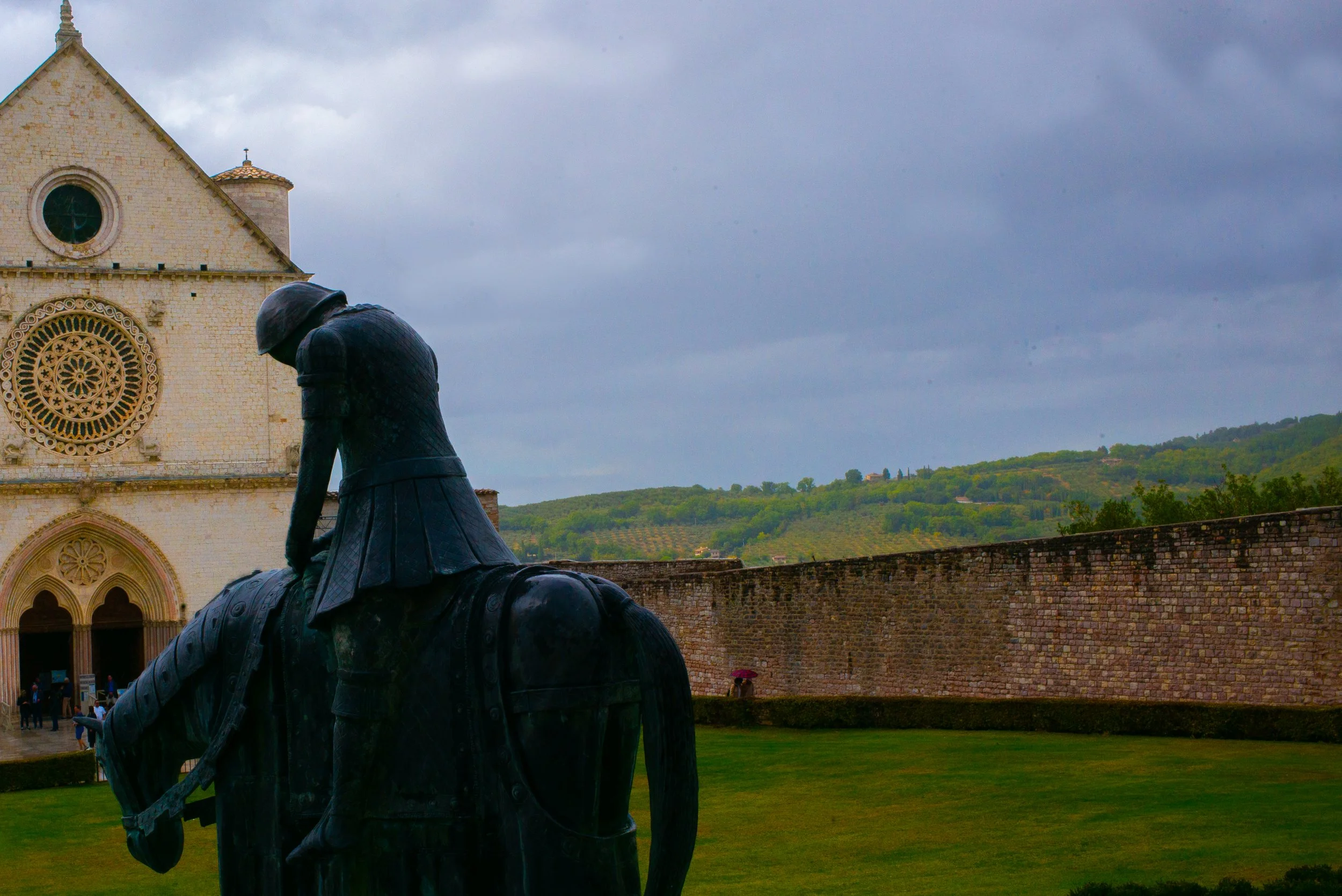
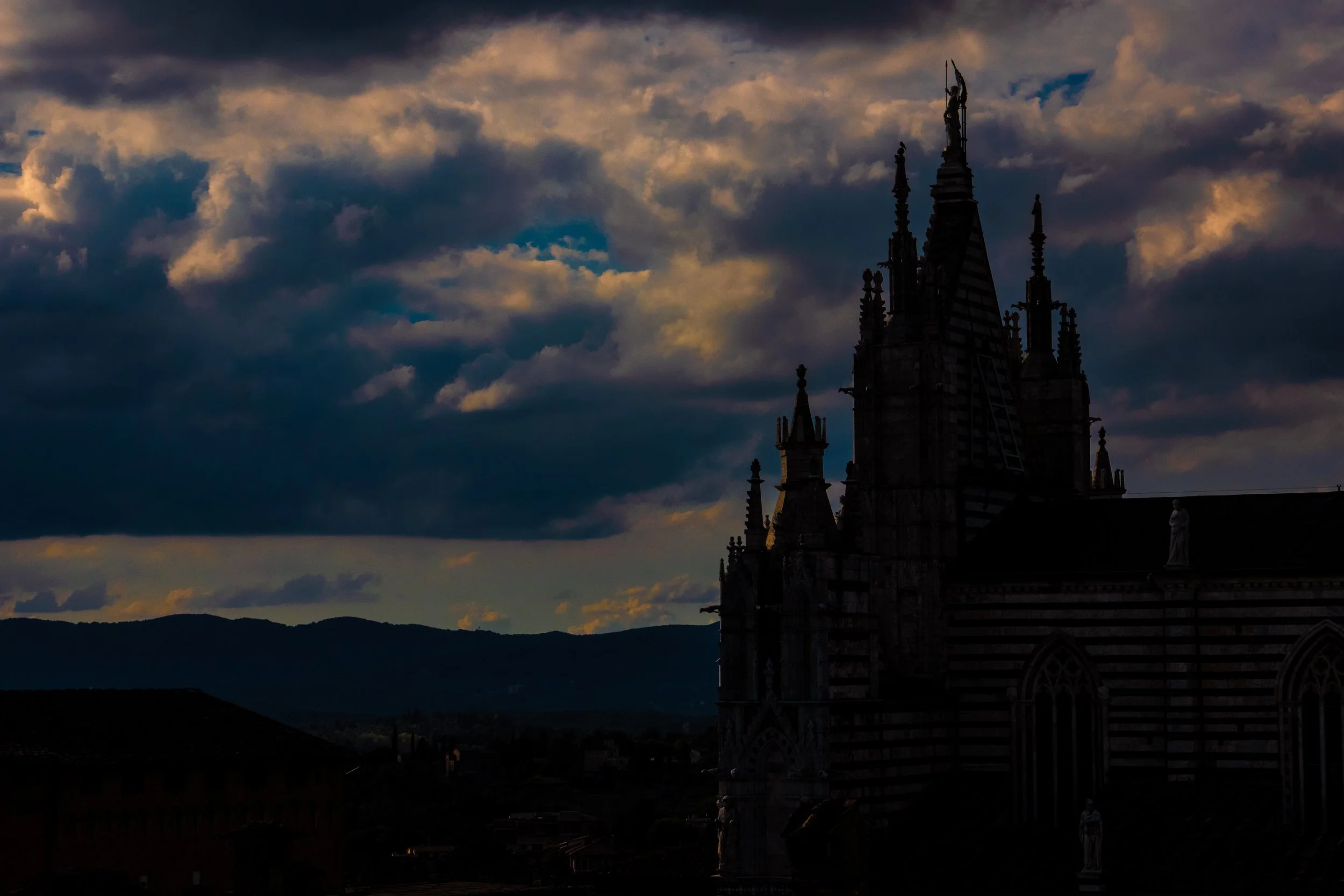
Francis died in 1226 and he was 44 or 45, depending on who kept count. The small chapel where he died is called the Portiuncula, Italian for “little portion.” It is now a church housed in another church: the Basilica of Santa Maria degli Angeli, two miles from the hillside town of Assisi. Italians are in the habit of building churches inside churches. On the topmost point of old Assisi, the Basilica honoring Francis has a half-dozen chapels flanking its nave. There is, too, an “upper church” the size of most American cathedrals. The Italian penchant for turducken church architecture doesn’t limit itself to side-chapels. They’ll stack them if they have to. If architecture were sanctifying grace, every churchgoing Italian would be in heaven in five minutes flat.
Young Bernadone’s transformation was rooted in disillusion. Assisi was a fortress town, often at war with neighboring cities. Before it was a unified kingdom, Italy was many little ones. Combat was how things were settled. Francis enlisted and went to war. Not even a year into service, he was captured and thrown into a cell in Perugia. He emerged sick, disoriented, and seeking a way of living that did not stink of the civic avarice that had sent him to a battlefield. As people were wont to do in the high Middle Ages, he heard the voice of God. It is important to remember that this was not some abstract apparition. He heard God’s voice. His embrace of poverty was not an end in itself. In fact, the Dominican historian Augustine O. Thompson notes that in his own writings, Francis referred to poverty only six times. Poverty was the means to humility. It had a purpose bigger than itself.
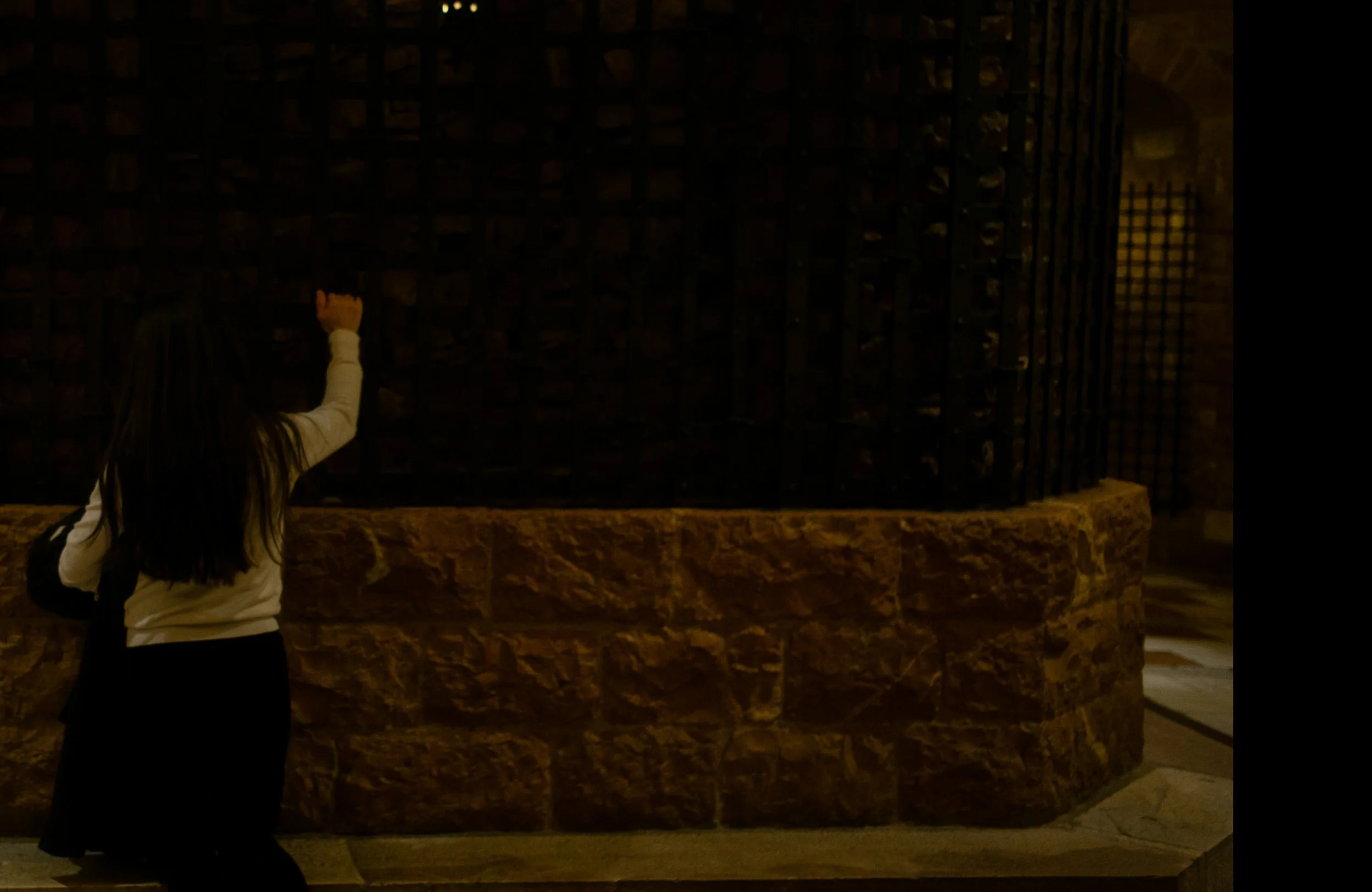
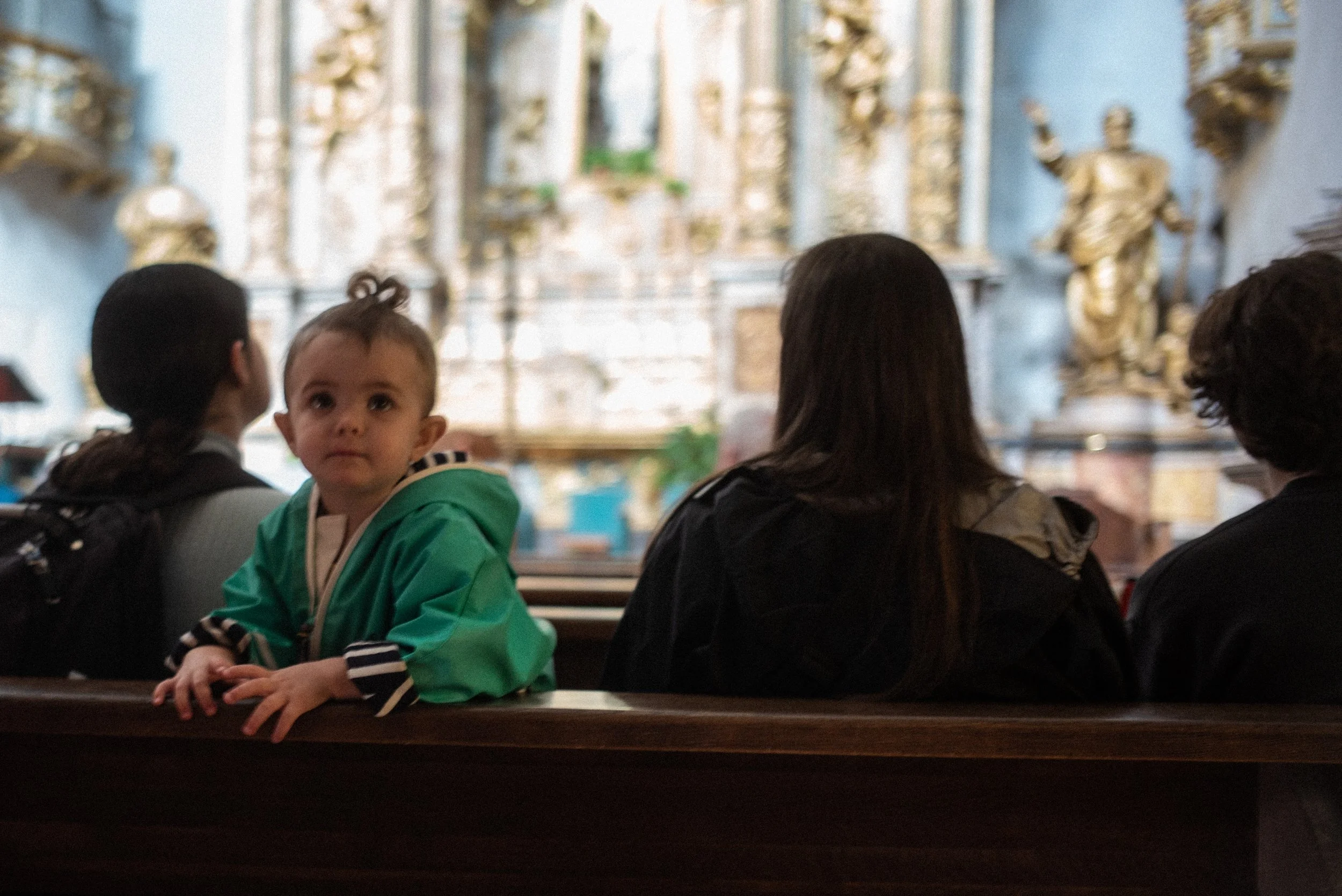
Francis rests in a stone crypt in the basement, flanked by the tombs of his dearest friends. Believers, penitents and tourists line up, kneel before an altar, and say what they need to say. The hillside architecture of Assisi is medieval and its churches as grandiose as their patron saint was simple. Francis died naked, poor and humble. Locals built an economy atop his bones.
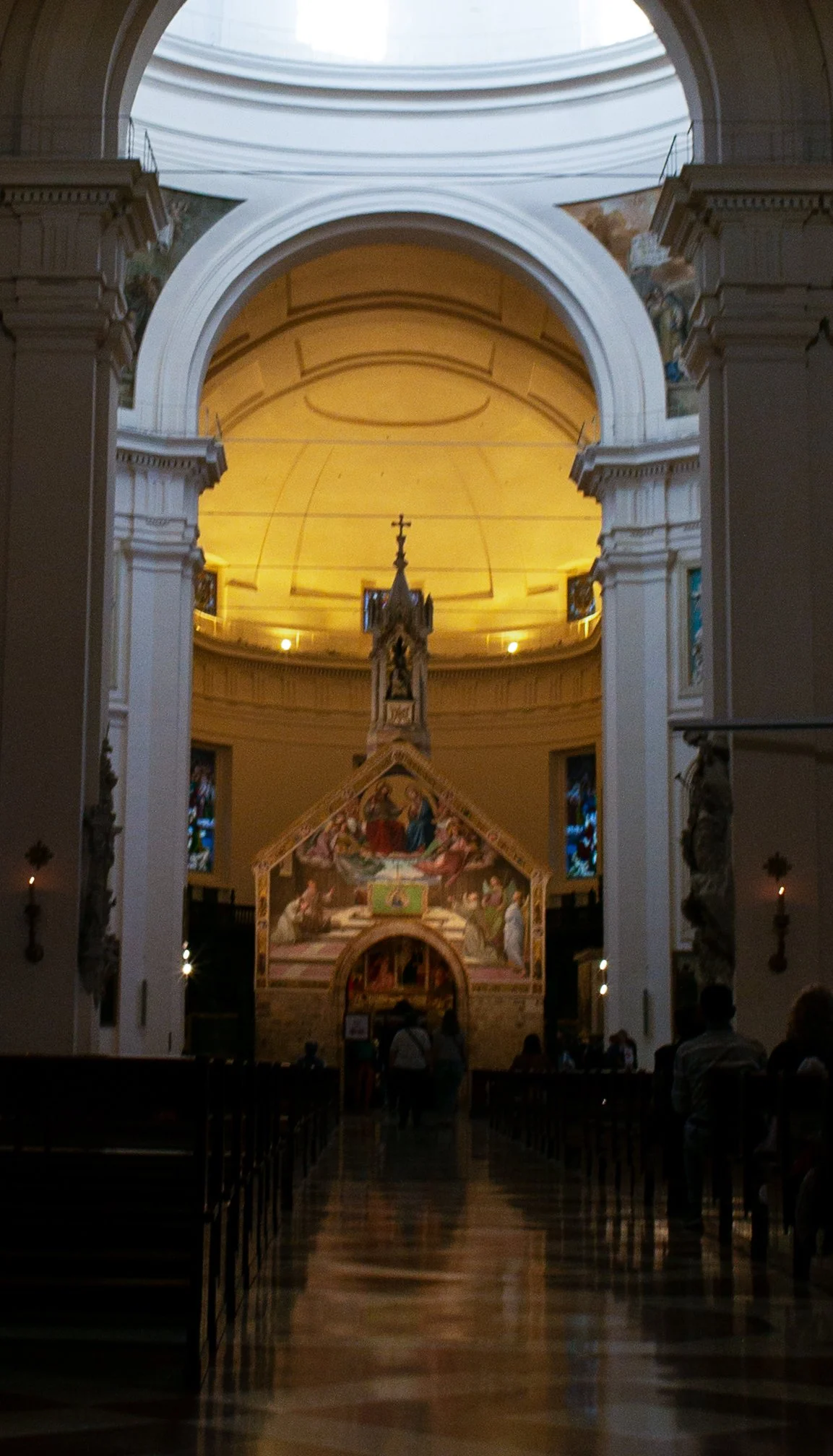
The Portiuncula reflects Francis’s bent for the literal. St. Bonaventure, in his biography of Francis, says the young man was praying in another ruin, the Church of San Damiano, when he heard the crucifix say, “restore my church.” Christ might have spoken in parables but Francis heard exactly what he heard: Christ telling him to rebuild His church. The Portiuncula in 1205 or 1206 — again the Middle Ages were not measured with precision — already had fallen into disuse. It stood decaying in a field a few miles from town. Francis set about rebuilding it, stone by stone. He would sometimes beg stones for his endless rebuilding projects. Artists depict a skinny beggar in a robe. In truth, he started his ministry as a renovator.
Pietro Bernadone thought his son had gone mad. His bishop thought he had gone good. The church was awash in politics and corruption. Papacies and bishoprics were bartered. Francis was a rule-follower. He went to Rome and asked the Pope to allow him and his companions to live as beggars and laborers. New recruits, if they had a trade, were told to bring their tools with them even if, by Franciscan rules those tools were no longer actual possessions. Francis restored the church by owning nothing. Asked why he chose to own nothing, he explained that if a man owned wealth he would need arms to defend it. He was failed soldier with a body broken in a prison. He’d had enough of that business.
Francis lived and believed during an age of superstition. The sun still circled the earth. God controlled the weather. The human soul was as real as a knuckle. Francis had no urge to explain creation. He was content to praise it. His Canticle to the Sun and his Canticle of the Creatures, exalted every creation of God, down to fire and wind. It was not enough for Francis to praise God. He identified His creations and, in so doing, transformed a faith built on calcified ritual into one twinned with the the inexactitude of the natural world. His way of living was entirely another thing.
Francis and the band of respectable, merchant class men who joined him in traveling the countryside begging alms, were mendicants calling themselves the Order of Friars Minor. That is to say, they had their sponsors, but the life they lived was funded in streets and in doorways. They begged. On one journey, he had the group stop so he could preach the gospel to the birds. His way of life became a European phenomenon, embraced by young men and women of the higher classes. Young men in France and Germany formed their own chapters. Rome paid attention. Francis hated forms and norms. He hesitated, resisted even, pleas from followers to set up a set of rules for living. Other orders did the same, describing their mission and how it would serve God, usually attaching an addendum of rules for daily life. Whether he thought personal holiness was sufficient guidance for life, or just out of a deep-running humility that made him think himself unworthy of rule-writing, he didn’t want to put quill to parchment.
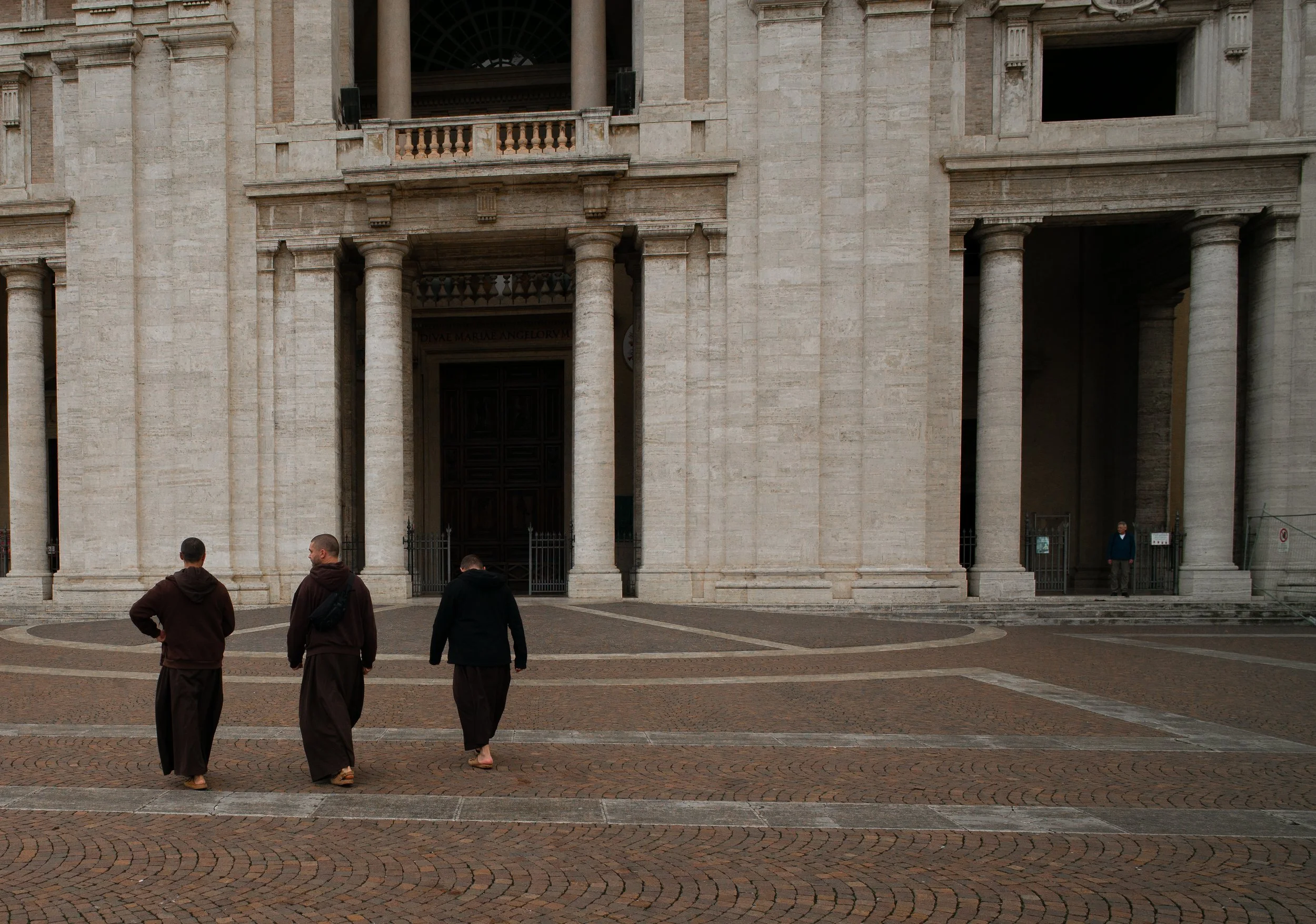
When he relented, Francis mandated obedience, chastity and poverty. That last one was so sweeping that it forbade the handling of money, advising followers to accept food before coin. It is impossible for a religious order to found universities and hospitals without bank accounts. Francis spoke from the highest ideals of charity to a planet ill-suited for them. Somehow, it worked.
Since Francis died in 1226, the papacy has produced 92 men, all of whom took the name of a predecessor, save one. When the Argentinian Jorge Cardinal Bergoglio was elected pope, he chose the name Francis. It was a bold move. Francis Bernadone was, among saints, his own unique species, if only because of his approachability. He was not a scholar like Aquinas nor a martyr like Joan of Arc. He simply lived out his faith in ways most people could understand. How does someone live up to that as pope?
The impossible example of a mendicant friar for someone about to take residence in St. Peter’s Square just seemed an uneasy fit. Francis became the patron saint of animals, nature and peace, not of bureaucrats.
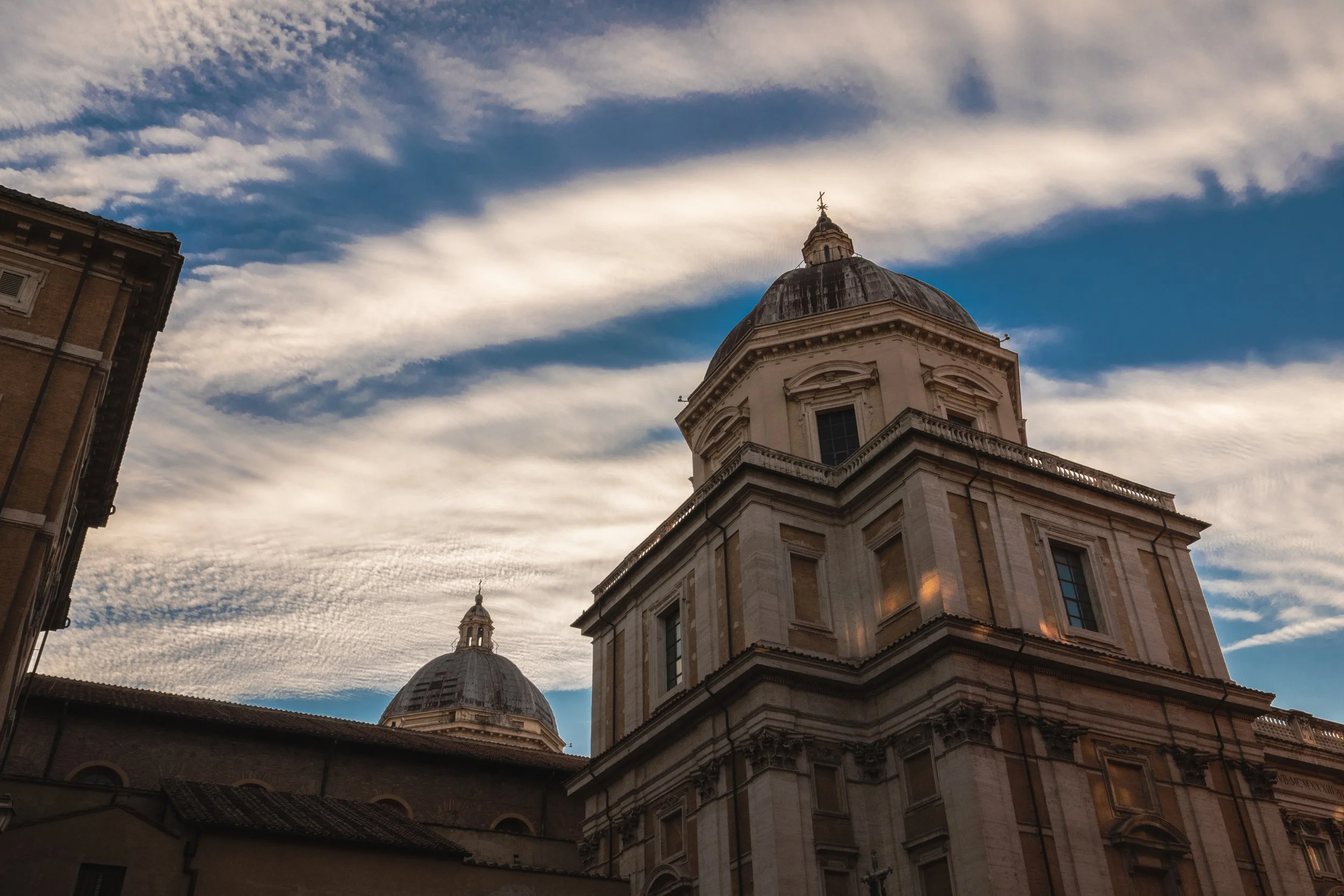
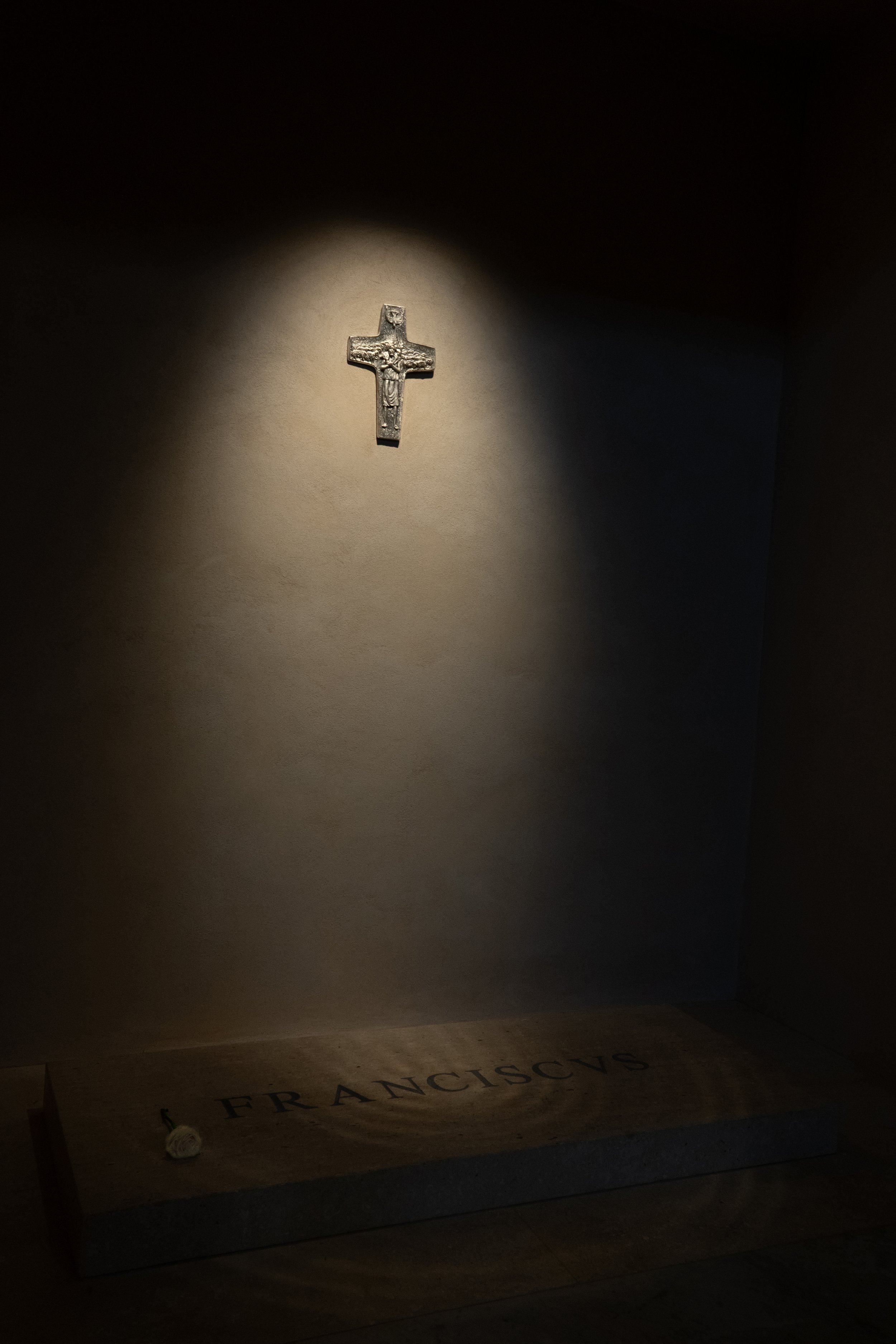
Bergoglio proved worthy of the name. In a church guided by the arcana of canon law, a pope chose a name from a roaming friar whose Christianity seemed an extension of his natural impulses. Bergoglio wanted a church for the poor. For children. Traditionalists feared him, autocrats hated him, the hard left wouldn’t forgive his uneasy coexistence with the Argentinian junta. Yet he connected with people at ground level because his was a church of the margins. He might have been the first pope in history to have publicly said the words, “Who am I to judge.” Like his namesake, Pope Francis was an outsider. He asked to be entombed not in St. Peter’s, but at St. Mary Major Basilica, near the train station. He liked being around people.
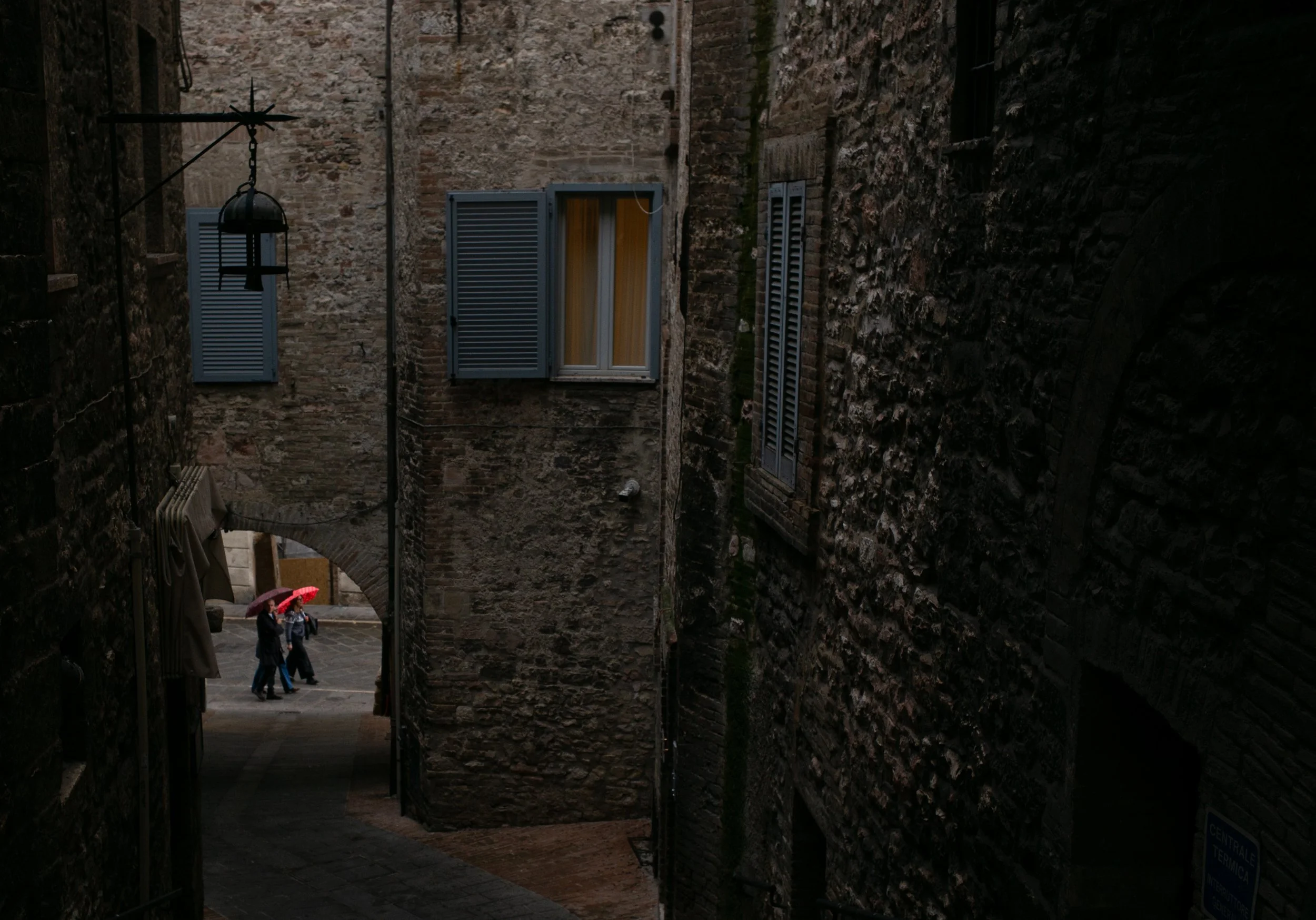
The streets that Francis and his followers walked were suitably narrow for a world warmed by fire and lit by sun. To be honest, there is not an alley or corner in Assisi that does not catch the eye. The stones were quarried from a nearby mountain and have withstood wind and earthquake. The social structure of the town was moving away from the feudal system. A merchant class was emerging to challenge the primacy of the old nobility. Civil war ensued. The old, titled family of Chiara Offreduccio were among those who fled to Perugia, thirty miles to the northwest. In later years, Chiara would break from her family and follow Francis. Her basilica stands on the other end of town from Francis. The Franciscans were traveling preachers, with a freedom to roam that was unthinkable for a woman. They shut themselves inside a wall. Legend has it that when robbers attacked the Clares’ monastery, the saint held aloft a monstrance with the sanctified Eucharist, which halted the attackers in their places. With saints you get miracles.
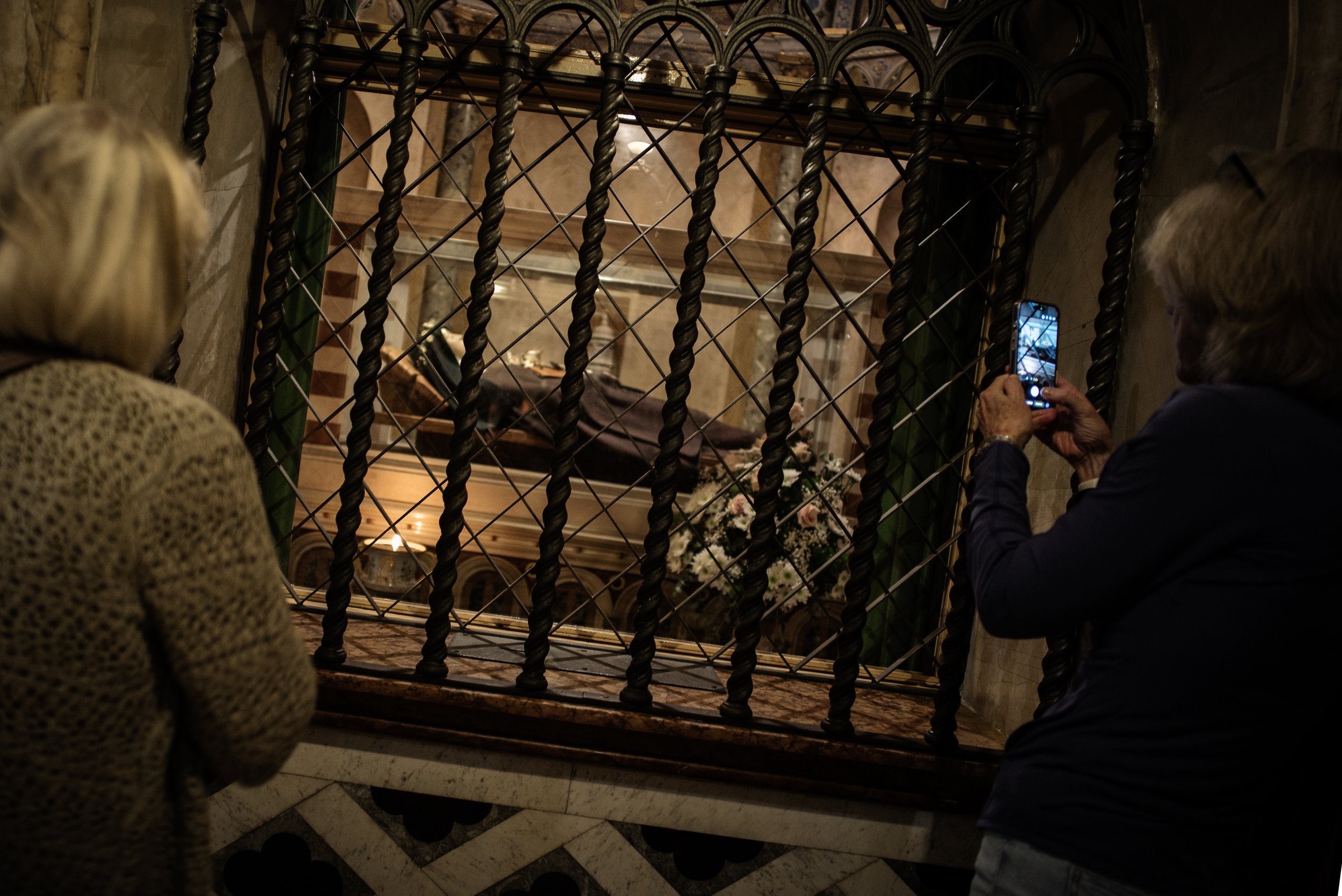
At the Cathedral of St. Clare in Assisi, worshippers venerate her remains displayed inside a glass coffin. Photography is forbidden , so everyone snaps a photo.
Likewise, Francis also has legends around him for which historians can find no basis. The story of The Wolf of Gubbio is one. The account, first written a century after his death, told of Francis speaking to a wolf that had been killing citizens of that town. Francis, who seemingly could talk to other creatures, set off in search of the beast and returned with a docile and obedient wolf at his side. Historians greatly doubt this story but many hold to it if only because, among those who love Francis, broadening his legend is an act of veneration.
The two biographies of Francis written by Brother Tommaso da Celano, are filled with miracle cures and prophecies. The later one, by Brother Ugolino, born three decades after Francis died, is chockablock with improbabilities, including the Wolf of Gubbio.
Of the stigmata, which is recorded in a contemporaneous account of the saint’s life, one can only quote the words of the first man to take the name Francis as a pope: “Faith without doubts cannot advance.”